
Tesla has added the Model 3 and Model Y to the vehicles that can power a house during an outage through its Powershare Home Backup feature, a capability previously limited to Cybertruck. The company announced the change on Oct. 6, and its Powershare page now says the feature is available on "all new Model 3 and Model Y vehicles ordered on October 1, 2026 or later." A footnote limits that to cars ordered in the U.S. and Puerto Rico, and adds that some, but not all, Model 3 and Model Y vehicles produced before October 1, 2026 are also capable.
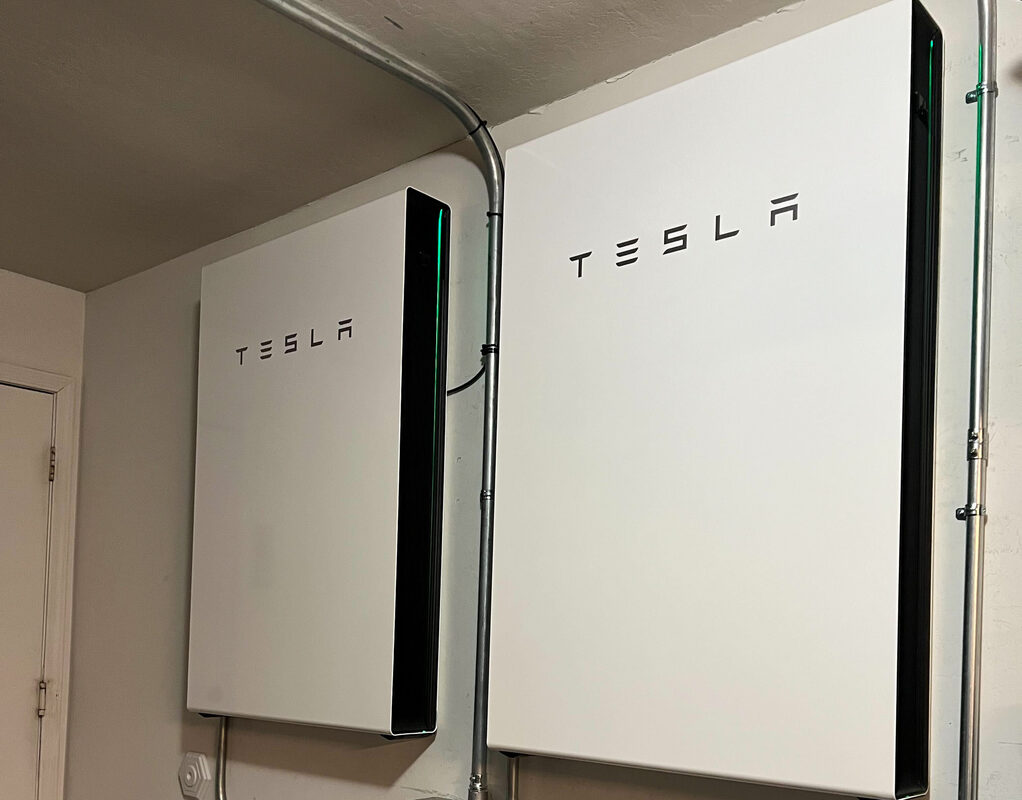
The expansion comes with a firm equipment requirement. For these two models, home backup works only with a Powerwall 3 battery system and either a Wall Connector or Universal Wall Connector. Tesla says no Powershare Gateway is needed with Powerwall 3. Homes that already have both pieces of equipment need nothing extra, though owners must contact Tesla support to turn the feature on, Electrek reported.
How the system works
Unlike most home-backup setups, the Model 3 and Model Y handle the power conversion in the car. Tesla says bidirectional inverter functionality comes from what it calls the PCS2 Lite inverter in Model 3 and Model Y, certified under UL1741. Because the conversion hardware is in the vehicle, a separate DC bidirectional charger is not required, Canary Media reported.
Tesla lists the following specifications for Powershare with Powerwall: 11.52 kW maximum continuous real power, 185A LRA for motor starting, 240 V AC nominal voltage, and certification to U.S. safety and EMI standards including UL1741 CRD.
On runtime, Tesla estimates a Model 3 or Model Y extends Powerwall backup by more than two days, based on a household using 30 kWh per day and a vehicle with a full battery. Tesla notes that results vary with solar equipment, vehicle model, actual energy use and state of charge when backup begins. Electrek reported that standard-trim versions are rated for up to two days.
What Model 3 and Model Y can and cannot do
The feature set for Model 3 and Model Y is narrower than Cybertruck's. The differences, from Tesla's Powershare page:
| Cybertruck | Model 3 / Model Y | |
|---|---|---|
| Home backup extension with Powerwall (30 kWh/day home) | More than three days | More than two days |
| Works without a Powerwall | Yes, with Powershare Gateway and Universal Wall Connector | No; Powerwall 3 required |
| Powershare Grid Support (export to grid) | Available in limited markets | Not available |
| Eligibility | All vehicles | New orders from Oct. 1, 2026 (U.S. and Puerto Rico); some earlier builds |
Tesla's page states plainly on grid export: "Feature not available for Model 3 or Model Y." Model S and Model X are not included, according to Electrek. Tesla lists support for homes with a Powerwall 2 or Powerwall+ as "coming soon," with Powerwall compatibility enabled through an over-the-air update.
For Cybertruck owners without a Powerwall, Tesla's page, as accessed Oct. 20, 2026, says Powershare hardware typically costs $1,950 and installation typically runs around $2,000 to $4,000, with the final installation quote coming from a Certified Installer.
Cost of the required hardware
For Model 3 and Model Y owners without the equipment, Canary Media's Oct. 6 report cited retail prices of $8,200 for a Powerwall 3, plus several thousand dollars more to install, and $595 for a Wall Connector. The same report put typical DC bidirectional chargers, which almost every commercially available vehicle-to-home backup system in the U.S. requires, at $6,500 to $10,000 and up, not including a home battery.
PG&E has flagged that cost. Eli Darby, part of the utility's clean energy transportation team, told Canary Media that the $10,000 to $15,000 needed for equipment and installation "is a barrier." The article said PG&E has been working to certify combinations of EVs and home chargers that supply AC power, and Darby said the utility is piloting interconnection of Tesla's systems. "Tesla is the lead product to market," Darby said.
Colby Hastings, head of Tesla Energy's residential energy business, told Canary Media: "This is us bringing the whole ecosystem together and allowing our products to complement each other." Zach Woogen, executive director of the Vehicle-Grid Integration Council, told the publication that many in the industry expect AC bidirectional charging equipment "will be economical for customers and manufacturers alike."
Context
Vehicle-to-home backup is not new to the U.S. market: Ford launched home backup for the F-150 Lightning in 2022, rated at 9.6 kW, Electrek noted. Regulation of the AC approach Tesla uses is still uneven. Only California and Maryland have utility regulations allowing AC bidirectional charging outside of pilot projects, with other states working on it, according to Canary Media.
What It Means for Drivers
- Check your car first. On the touchscreen, go to Software > Additional Vehicle Info and look for "Powershare Support: Enabled." This matters most for Model 3 and Model Y built before Oct. 1, 2026, since only some of those are capable.
- Outside the U.S. and Puerto Rico: the guarantee does not extend to other markets. As of Electrek's Oct. 6 report, Tesla's Canadian site still listed Powershare as Cybertruck-only.
- Powerwall 3 households: if you already have a Powerwall 3 and a Wall Connector or Universal Wall Connector, contact Tesla support to activate the feature; it is not on by default.
- Powerwall 2 or Powerwall+ households: there is no activation path yet; support is slated to arrive by software update.
- No Powerwall: Model 3 and Model Y cannot back up a home on their own, and the Gateway option is Cybertruck-only. Get a current quote before budgeting; the retail prices reported in early October are not guaranteed.
- No grid payments: because Grid Support is unavailable for these models, Model 3 and Model Y owners cannot use Powershare to earn money by sending energy to the grid.
- Installation: any Powerwall or Wall Connector work should be done by a Tesla Certified Installer or licensed electrician, following the manufacturer's instructions and local code.
